Address:
Uskudar Icerenkoy Yolu Cad. No:21
Atasehir, Istanbul 34752
TURKIYE
Working Hours:
Monday - Friday: 9:00 - 18:30
Weekends: Closed

Address:
Uskudar Icerenkoy Yolu Cad. No:21
Atasehir, Istanbul 34752
TURKIYE
Working Hours:
Monday - Friday: 9:00 - 18:30
Weekends: Closed

At Ata Patent, a leading intellectual property practice based in Istanbul since 1992, our Turkish trademark attorneys provide comprehensive services covering the entire lifecycle of trademark protection. This article presents detailed Turkish trademark FAQs, addressing the most common questions related to trademark registration, enforcement, maintenance, and dispute resolution in Turkey.
Table of Contents
Turkey’s trademark regime is primarily governed by Industrial Property Law No. 6769, which aligns substantially with European Union intellectual property standards. Trademark rights are obtained through registration before the Turkish Patent and Trademark Office, the official authority responsible for examining applications, publishing marks, and maintaining the trademark register.
A trademark may consist of words, logos, shapes, colors, letters, numbers, sounds, or any combination of signs capable of distinguishing goods or services and being represented in the registry. Trademark protection is granted on a territorial basis, meaning rights are enforceable only within Turkey’s jurisdiction unless extended internationally.
A successful trademark application requires compliance with formal and substantive requirements. Applicants must provide a clear representation of the mark, specify the relevant goods or services according to the Nice Classification, and ensure the mark possesses distinctiveness. Failure to meet these standards may lead to trademark refusal during examination.
One of the most important steps before filing a trademark application is conducting a comprehensive trademark search. This process determines whether identical or confusingly similar marks already exist in the registry or in use within the marketplace.
A professional trademark search significantly reduces the risk of trademark opposition or rejection during the examination phase. It also allows businesses to refine their branding strategies early and avoid costly disputes. Turkish trademark attorneys typically conduct clearance searches that analyze phonetic, visual, and conceptual similarities between marks.

The trademark application process in Turkey generally involves several stages. Once an application is submitted, the Turkish Patent and Trademark Office conducts a formal examination followed by a substantive examination assessing absolute grounds for refusal. If no objections arise, the mark is published in the Official Trademark Bulletin for potential trademark opposition by third parties.
The application process typically takes between six and nine months if no opposition or objection occurs. However, the timeline may extend significantly in contested proceedings. Proper preparation of the application, including accurate classification and distinctiveness analysis, is essential for efficient processing.
Trademark refusal may occur if the mark lacks distinctiveness, is descriptive, conflicts with public policy, or misleads consumers. Relative grounds involve conflicts with earlier registered trademarks or well-known marks. Applicants may respond to objections by submitting legal arguments, evidence of acquired distinctiveness, or amendments to the application.

Following publication, third parties have a two-month period to file a trademark opposition. Oppositions typically rely on prior registered rights, well-known mark status, or likelihood of confusion. Trademark opposition proceedings play a crucial role in protecting existing rights and preventing market confusion.
The opposition process involves written submissions, evidence evaluation, and administrative review. Both applicants and opponents may submit arguments, negotiate settlements, or seek coexistence agreements. Strategic handling of opposition proceedings often determines the ultimate success of trademark registration.
If an application is rejected or an opposition decision is unfavorable, parties may initiate trademark appeals before the Re-examination and Evaluation Board of the Turkish Patent and Trademark Office. Appeals must be carefully structured with legal reasoning and supporting evidence. If administrative remedies are exhausted, judicial review before specialized intellectual property courts is possible.




Trademark protection in Turkey lasts ten years from the application date and may be renewed indefinitely through trademark renewal procedures. The owner enjoys exclusive rights to use the mark, license it, transfer ownership, and prevent unauthorized use.
Trademark protection extends to preventing confusingly similar signs used in identical or related goods or services. Protection may also apply to well-known marks beyond registered classes.
Businesses seeking broader coverage may utilize Madrid Protocol filings to obtain international protection based on a Turkish application or registration. This system allows trademark owners to designate multiple jurisdictions through a centralized procedure, simplifying international portfolio management.

Trademark monitoring is essential to detect potentially conflicting applications filed by third parties. Monitoring services provide early warnings, enabling timely opposition or enforcement actions. Without ongoing surveillance, trademark owners risk dilution of their rights or loss of exclusivity.
Professional monitoring programs analyze newly published applications and market usage to identify risks. This proactive approach forms a key component of long-term trademark portfolio maintenance.
Trademark portfolio maintenance involves managing renewals, ownership records, licensing agreements, and strategic filings across jurisdictions. Businesses with multiple trademarks must adopt structured management practices to ensure continued protection and compliance with regulatory requirements.
Trademark renewal must be completed every ten years, and failure to renew results in loss of rights. Portfolio audits help identify underused marks, potential vulnerabilities, and opportunities for expansion.

Trademark assignment allows owners to transfer rights to another entity through contractual arrangements. Assignments must be recorded in the trademark registry to become effective against third parties. Proper trademark recordal ensures legal certainty and protects the new owner’s rights.
Assignments may occur due to mergers, acquisitions, corporate restructuring, or strategic business decisions.
Trademark licensing enables trademark owners to authorize third parties to use their marks under defined conditions. Licensing agreements typically specify quality control provisions, duration, and territorial scope. Licensing arrangements must also be recorded to ensure enforceability against third parties.
Licensing strategies can generate revenue while expanding brand recognition, provided that quality standards are maintained to prevent reputational damage.
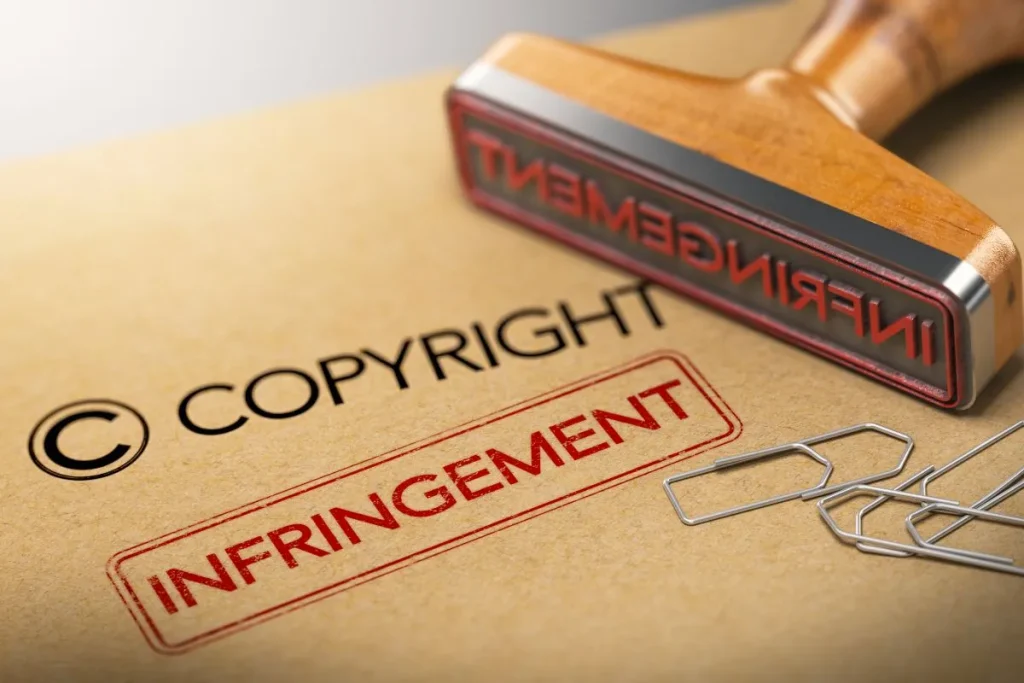
Trademark enforcement is essential to maintain exclusivity and prevent unauthorized use. Trademark owners may initiate administrative, civil, or criminal actions against infringing activities. Enforcement mechanisms include cease-and-desist letters, preliminary injunctions, seizure of infringing goods, and damages claims.
Effective enforcement requires prompt action and comprehensive evidence collection. Delayed responses may weaken the owner’s position in litigation.
Trademark infringement litigation is handled by specialized intellectual property courts in Turkey. Courts assess likelihood of confusion, similarity of signs, and evidence of unauthorized use. Remedies may include injunctions, monetary compensation, destruction of infringing goods, and publication of court decisions.
Trademark invalidity actions challenge the validity of a registered mark based on absolute or relative grounds. Trademark cancellation may occur if a mark is not genuinely used for five consecutive years or becomes generic. These proceedings serve to maintain integrity within the trademark register.

Turkey’s dynamic commercial environment attracts foreign investors and multinational corporations. Multilingual trademark services facilitate communication and documentation in multiple languages, ensuring clarity in cross-border transactions and international filings.
International businesses often require coordinated strategies involving Madrid Protocol filings, local enforcement, and portfolio management. Turkish trademark attorneys provide guidance tailored to the complexities of cross-border brand protection.
Businesses frequently encounter challenges such as selecting distinctive marks, navigating classification complexities, and managing opposition proceedings. Additional challenges include responding to trademark refusal decisions, enforcing rights against infringers, and maintaining compliance with procedural requirements.
Strategic legal counsel plays a critical role in addressing these challenges. Experienced advisors help businesses anticipate risks, develop protection strategies, and maintain long-term brand value.
Startups entering the Turkish market often underestimate the importance of early trademark registration. Delayed filings may result in loss of rights or disputes with prior users. Early protection ensures brand exclusivity and supports commercial expansion.
Growing businesses must also consider trademark portfolio maintenance strategies, licensing opportunities, and international protection as part of their development plans.
A trademark’s lifecycle begins with a trademark search and application, followed by examination, publication, potential opposition, registration, monitoring, enforcement, and renewal. Each stage requires careful management to ensure continued protection.
Understanding this lifecycle enables businesses to allocate resources effectively and avoid common legal pitfalls.

Turkish trademark FAQs provide essential guidance on procedures, rights, and legal obligations related to trademark registration and protection in Turkey. They help businesses understand the regulatory framework, avoid procedural errors, and ensure effective trademark protection. Companies entering the Turkish market rely on such guidance to safeguard brand identity and maintain competitive advantage.
Trademark registration typically takes six to nine months if no trademark opposition or objection occurs. However, contested cases involving trademark refusal, appeals, or opposition proceedings may significantly extend the timeline. Proper preparation and legal representation help expedite the process.
Yes, foreign applicants may file a trademark application in Turkey either directly or through Madrid Protocol filings. However, professional assistance from Turkish trademark attorneys is strongly recommended to navigate local requirements, language issues, and procedural complexities.
If a mark encounters trademark opposition or trademark refusal, applicants may submit legal arguments, evidence, or amendments. Trademark appeals procedures allow further review of administrative decisions. Strategic response is critical to preserving registration prospects.
Trademark enforcement involves monitoring unauthorized use, initiating legal action, and pursuing remedies such as injunctions and damages. Trademark infringement litigation before specialized courts provides robust protection against unauthorized commercial exploitation.
Trademark renewal must occur every ten years to maintain protection. Trademark portfolio maintenance also includes monitoring, recordal of changes, licensing management, and enforcement strategies. Proper maintenance ensures continuous legal protection and commercial value.
The complexity of Turkish trademark law requires specialized knowledge and practical experience. Professional advisors assist with trademark search, trademark application preparation, opposition proceedings, enforcement strategies, and international filings. They also provide guidance on trademark licensing, assignment, recordal, and portfolio management.
Legal expertise is particularly important for businesses operating in competitive markets or managing extensive trademark portfolios. Effective strategies minimize risks and enhance long-term brand security.
Ata Patent is a premier, full-service intellectual property law firm headquartered in Istanbul, Turkey, with over three decades of comprehensive IP law expertise dating back to 1992.
Selcuk Akkas, Attorney at Law, Patent & Trademark Attorney & Mediator
Ata Patent provides comprehensive trademark services covering registration, monitoring, enforcement, and portfolio management. With decades of experience and deep knowledge of Turkish intellectual property law, our team supports clients at every stage of trademark protection.
Our firm offers tailored legal strategies designed to address each client’s commercial objectives and industry-specific challenges. From initial trademark search to complex trademark infringement litigation, we ensure reliable and effective brand protection in Turkey.
Businesses seeking comprehensive trademark protection in Turkey are encouraged to consult Ata Patent for strategic guidance and practical solutions. Our Turkish trademark attorneys provide end-to-end services covering trademark registration, trademark enforcement, trademark monitoring, and international protection strategies tailored to your business objectives. With extensive experience in handling complex trademark disputes, opposition proceedings, and portfolio management matters, we deliver proactive legal solutions designed to secure and strengthen your brand position.
Whether you are launching a new business, expanding into the Turkish market, or managing an international trademark portfolio, Ata Patent offers multilingual trademark services and strategic counsel to protect your intellectual property rights. Contact our team today to receive expert assistance with trademark applications, licensing, assignments, and enforcement matters, and ensure your brand benefits from robust legal protection in Turkey’s dynamic commercial environment.